
Treatments
Traditional Braces
The gold standard in orthodontic treatment — and at our Evanston practice, always planned around the whole person, not just the teeth.
What They Are
Precise. Proven. Always working.
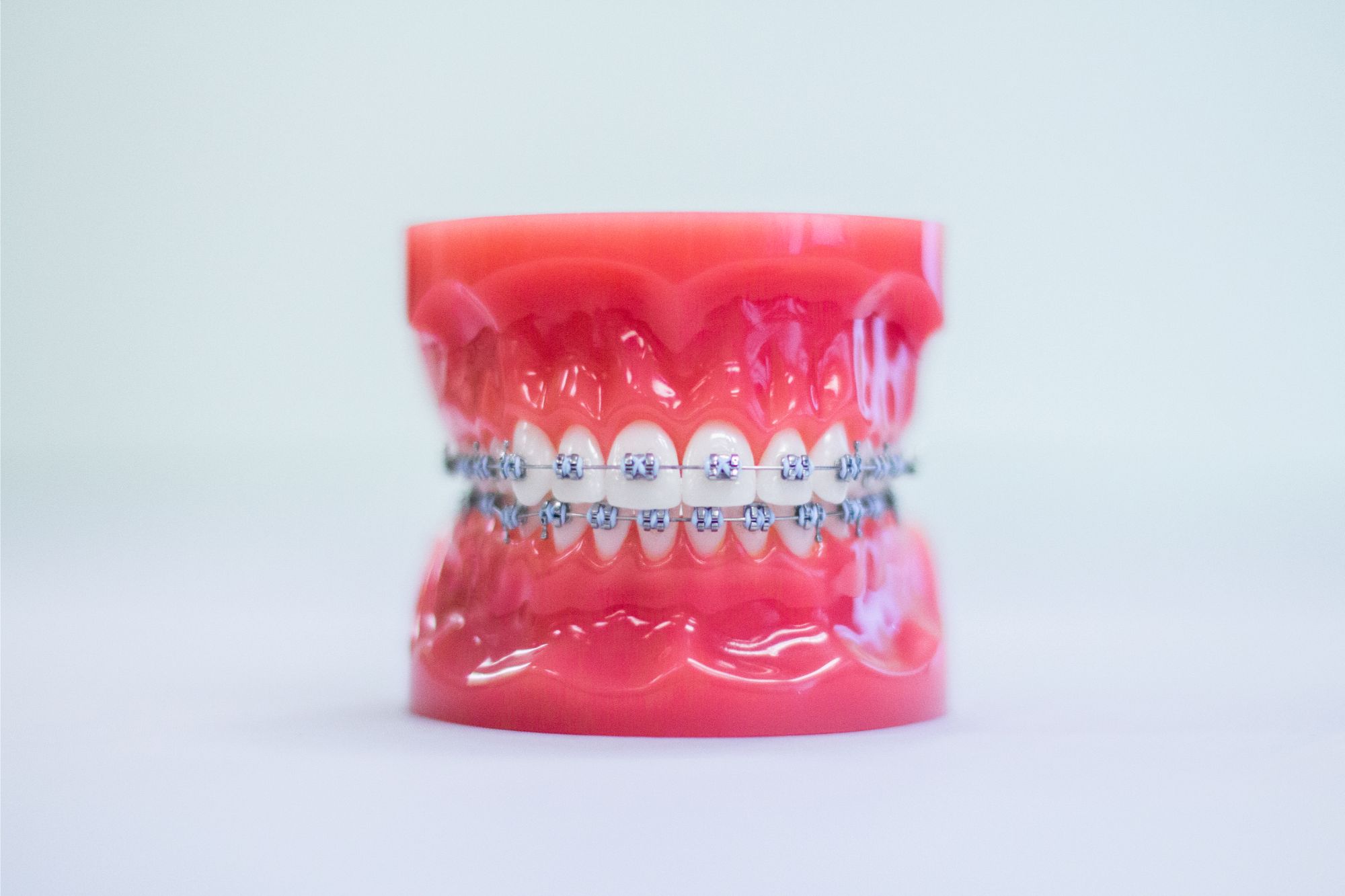
Traditional braces use metal brackets bonded to the surface of your teeth, connected by an archwire that's progressively adjusted to guide your teeth into position. The system is time-tested — and modern versions are smaller, lower-profile, and significantly more comfortable than what previous generations experienced.
For complex bite corrections, significant crowding, and cases requiring precise multi-dimensional control, braces remain the most reliable treatment available. They're always working — no compliance required, no trays to track, no wear schedule to maintain.
At Smile Suite, Dr. Kim looks beyond tooth alignment — your facial profile, your airway, your bite function, and your long-term stability are all part of how treatment is planned. We use a self-ligating bracket system that reduces friction, often shortens treatment time, and requires fewer adjustment appointments than conventional braces.
When Braces Are the Right Call
Some cases are simply better suited to braces
Clear aligners are effective for many cases, but there are situations where braces provide a level of control that removable trays can't match. Dr. Kim will be direct with you about which approach will produce the best result for your specific situation.
Complex bite issues
Significant overbites, underbites, crossbites, and open bites often respond better to the continuous, precise force that braces provide.
Severe crowding or spacing
When teeth need to move significant distances or rotate substantially, braces provide Dr. Kim with precise control over the process.
Younger patients
For teens and children who may not maintain consistent aligner wear, braces can eliminate some of the compliance variable.
Patients who prefer hands-off treatment
Once braces are placed, your role is minimal. No trays to remove and replace, no wear time to track. You come to your appointments — the braces do the work.
What to Expect
Your treatment, step by step
Consultation & records
Digital photos, scans, and any necessary X-rays give Dr. Kim a complete picture of your bite, your face, and your goals — including airway and long-term stability — before any recommendation is made.
Bracket placement
Brackets are bonded to the front surface of your teeth in a single appointment. The archwire is threaded through and secured — you leave in braces. The appointment typically takes 1–2 hours. Dr. Kim positions each bracket using Smile Arc Protection, so your front teeth finish along the natural curve of your lower lip.
Active treatment
You come in every 6–8 weeks for adjustment appointments. Dr. Kim evaluates progress and makes changes to the wire or bracket positioning to continue moving teeth toward their final positions.
Debonding
When teeth have reached their final positions, brackets are removed and teeth are polished. This is a good day.
Retention
A retainer is placed immediately after debonding. Retention planning is part of treatment — we protect your result for the long haul, not just until the brackets come off.
The Details
What you should know
Comfort
Modern brackets are significantly smaller and more comfortable than previous generations. Initial soreness after placement and adjustments is normal and typically resolves in a few days.
Food restrictions
Hard, sticky, and chewy foods can damage brackets and wires. We provide a clear list of what to avoid — it's a shorter list than most patients expect.
Oral hygiene
Brushing and flossing around brackets takes more time and attention than usual. We'll show you the most effective technique and the right tools.
Treatment length
Typically 18–24 months, depending on case complexity. Simpler cases can be shorter.
Bracket style
We use self-ligating brackets — a system that reduces friction and often requires fewer adjustment appointments than traditional ligating braces.
Color options
For teens especially, colored elastics are a popular way to personalize treatment. Colors are changed at each appointment.
Next Step
Find out if braces are the right fit for your case.
Dr. Kim will walk you through what she sees, what she recommends, and why — with no pressure to commit on the spot.