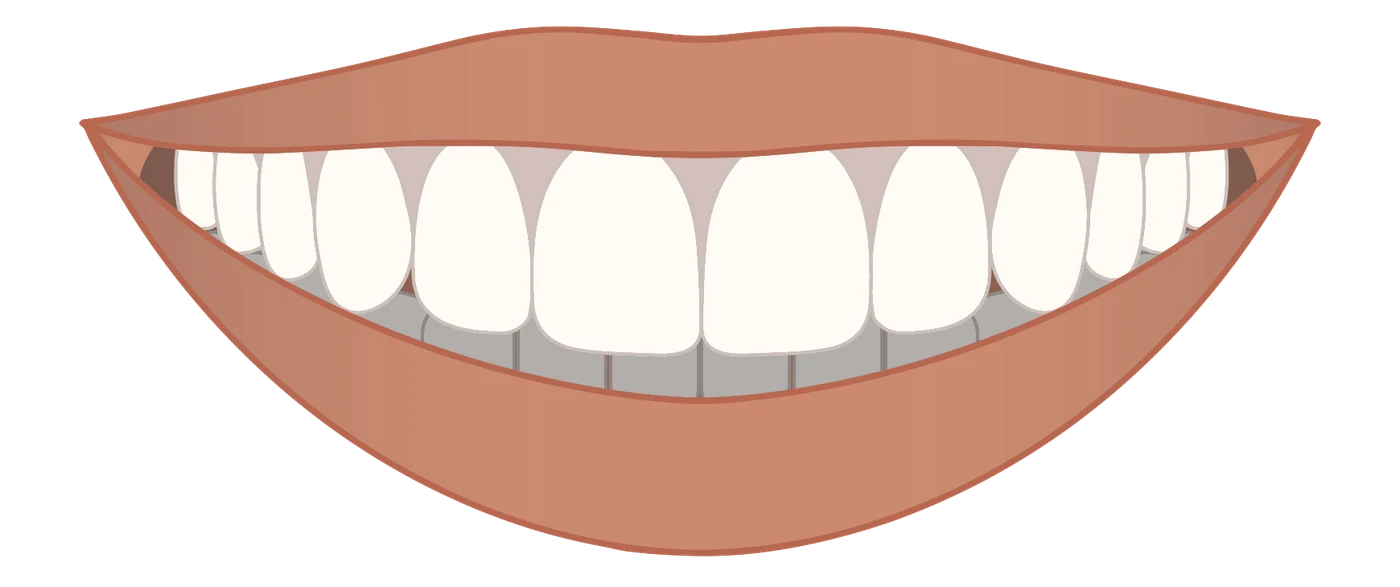
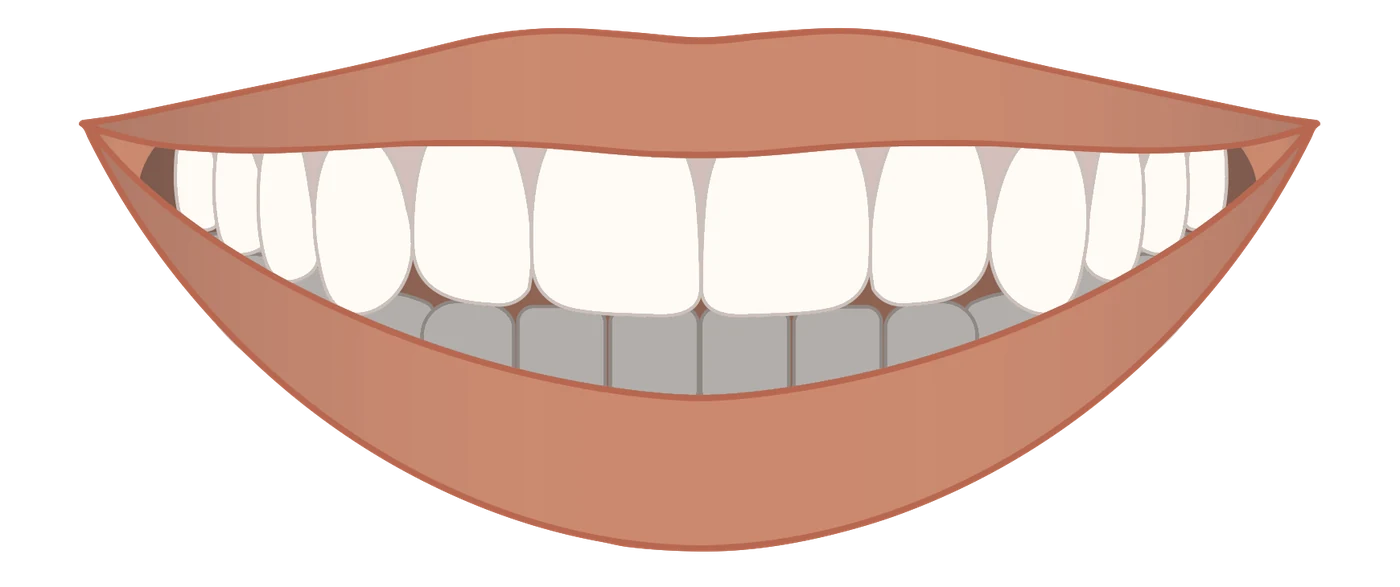
Drag to see it refined
Smile Arc
Do the edges of your upper teeth follow the curve of your lower lip? When they line up flat instead, the lip no longer frames the smile, and it can look older or less lively than it should.

Clinical Philosophy
Straight teeth are a wonderful start. But the smiles I'm proudest of are the ones designed to work in harmony with your lips, your face, and the way you actually smile.
The Science Behind It
When I look at a smile, I'm not just looking at whether the teeth are straight. I'm looking at how they relate to your lips, how much of them you show when you laugh, and whether they follow the gentle curve that makes a smile look natural and full of life.
That's why I use a technique called Smile Arc Protection, or SAP. It means I place brackets a little higher on the teeth than traditional orthodontic methods do. If you've seen braces before, that placement might look unusual at first. I promise you, it's completely intentional.
Every bracket position is chosen to guide your teeth into a smile arc — the soft, upward curve that follows your lower lip. It's one of the quiet details that separates a good result from one you can't stop smiling about.

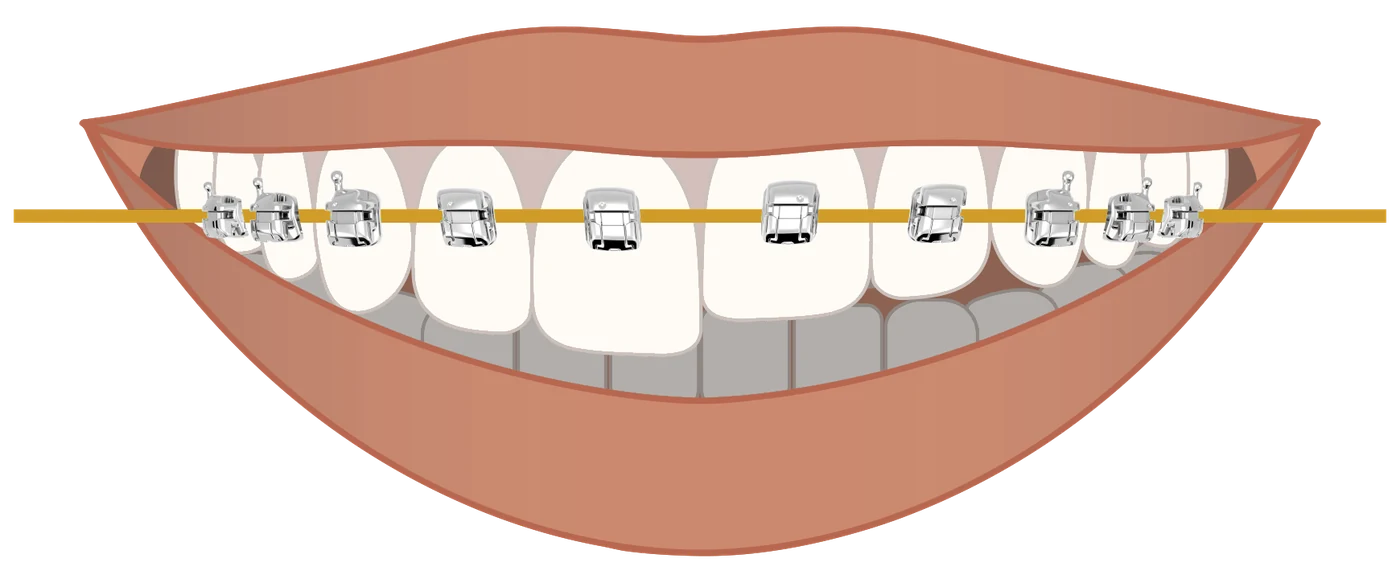
Notice how the brackets on the front teeth sit closer to the gums. As the wire levels out over the course of treatment, it guides those front teeth down to follow the curve of your lower lip.
See the Difference
The gold line traces the edges of the upper teeth. Notice how it relates to the lower lip in each smile.
Brackets centered on each tooth can line the teeth up in a straight row. The result is straight — but the smile can look flat, and the lower lip no longer frames it.
Strategic bracket placement guides the teeth to follow the curve of the lower lip, so your lips frame your smile beautifully. Balanced, youthful, and natural.
The Full Picture
The smile arc is one piece. When I plan your treatment, I'm also looking at how much of your front teeth show and how fully your smile fills out from side to side. The three work together, and getting one right while ignoring the others rarely gives you the smile you're hoping for.
Do the edges of your upper teeth follow the curve of your lower lip? When they line up flat instead, the lip no longer frames the smile, and it can look older or less lively than it should.
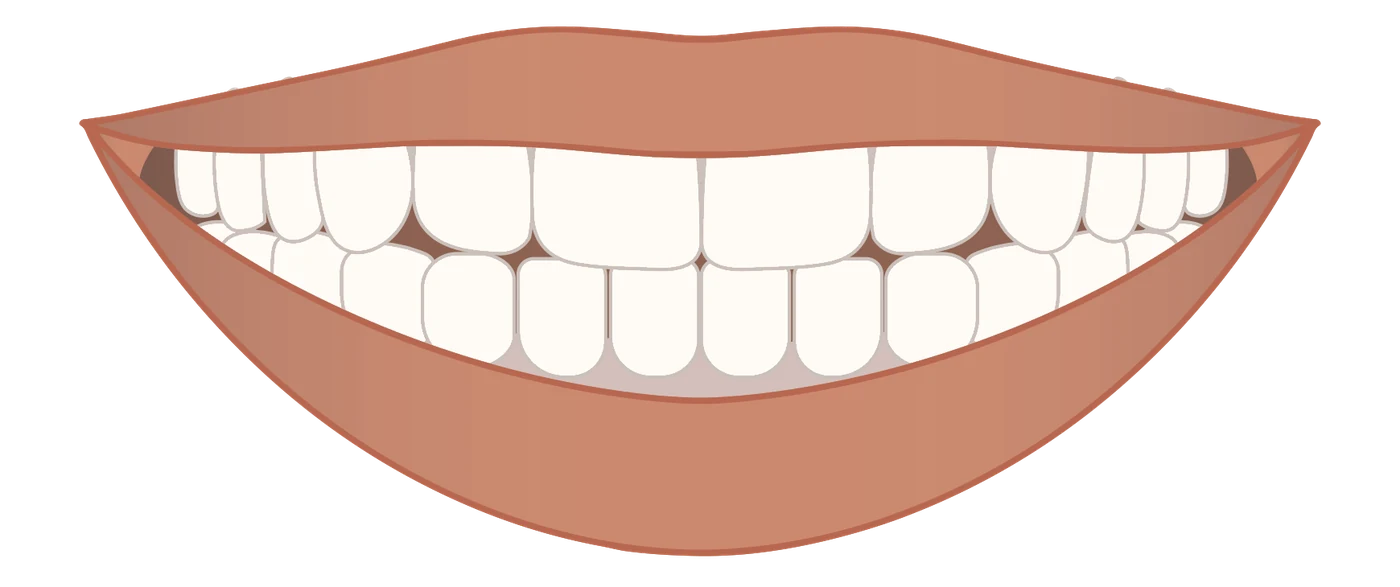
How much of your upper front teeth show when you smile. Too little, and they hide behind the lip while the lower teeth take over, which tends to read as an older smile. I plan where your front teeth sit so they're present and in proportion with your lips and face.
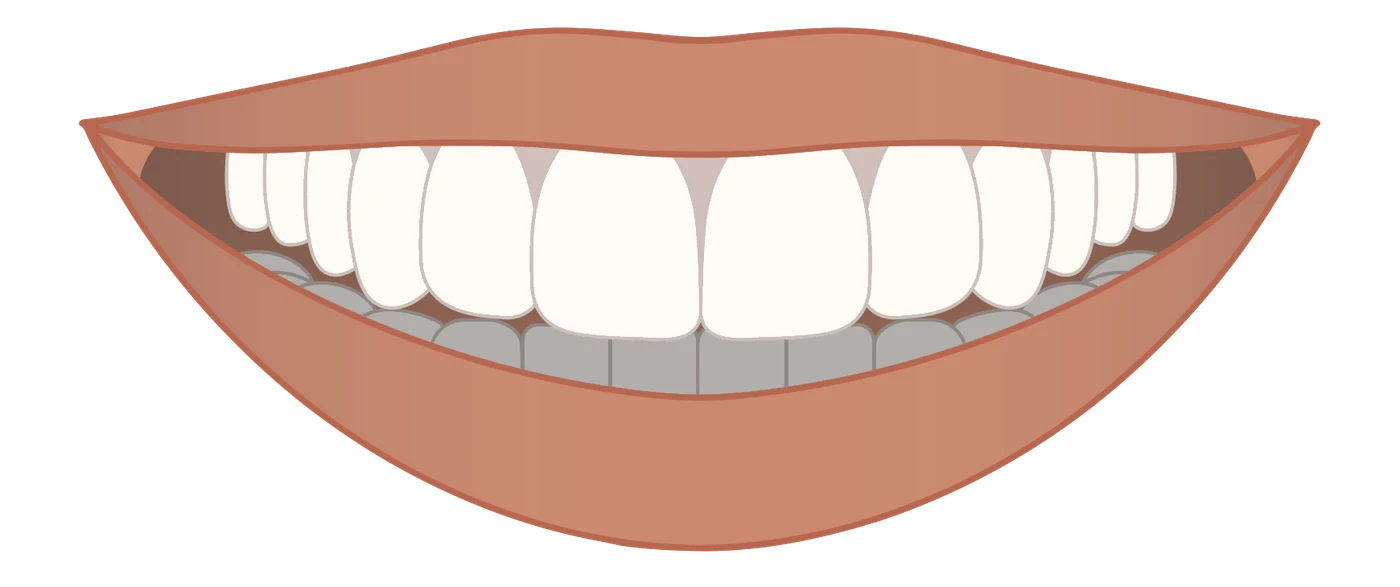
How fully your teeth fill your smile from corner to corner. A narrow arch can leave dark spaces at the sides. When it's right for your bite and your face, developing the width of the arch lets your smile fill out naturally. It can support healthy breathing, too.
What I See Every Day
Some of my favorite patients come to me having already had braces. Their teeth are straight, and they did everything right. But when they smile, something feels missing. The smile looks flat, and it doesn't have the life they hoped it would.
By repositioning brackets with Smile Arc Protection, I guide the front teeth to follow the curve of the lower lip. The change can be subtle on paper and remarkable in the mirror. That's the moment a good smile becomes one that truly stands out, and one that feels like yours.
Straight teeth are good. A beautifully designed smile arc is next-level.
— Dr. Kim
Your Questions
Where a bracket sits determines where a tooth ends up. By placing brackets slightly closer to the gums, I can guide the front teeth to settle along the curve of your lower lip instead of lining up in a flat row. It can look a little unusual on day one, but every position is intentional — it's how we preserve and enhance your natural smile arc.
Always. I adjust bracket positions based on your current smile, how much tooth you show when you speak and smile, your bite, and what you're hoping to see in the mirror. No two plans look the same, because no two smiles are the same. We'll talk through all of it at your Smile Consultation.
I apply Smile Arc Protection principles with both traditional metal braces and clear ceramic braces. And whichever option is right for you, the shape of your smile arc is part of how I plan your treatment from the very start.
Often, yes. Many of the adults I see had orthodontic treatment years ago — their teeth are straight, but the smile feels flat or has started to shift. Refining the smile arc can make a meaningful difference, and it's never too late to revisit your smile.
Experience the Difference
Come in for a complimentary Smile Consultation. I'll show you what I see in your smile today, and what's possible.