
Treatments
Retainers & Retention
Protecting the result you worked for — for life, not just until your last appointment.
Why Retention Matters
The part of treatment that never really ends
When active orthodontic treatment finishes, your teeth aren't done moving. The bone and tissue surrounding them need time to stabilize in their new positions — and without a retainer, teeth will shift back toward where they started. This isn't a flaw in treatment; it's how teeth work.
Retention isn't an afterthought at Smile Suite. Dr. Kim plans for it from day one at our Evanston practice, because a beautiful result that doesn't last isn't actually a result worth having. The work you put in during treatment deserves to be protected for the long haul.
We'll set you up with the retention approach that fits your life, your anatomy, and your treatment outcome — and we'll be straightforward with you about what it takes to keep your smile where you want it.
Your Options
Types of retainers
Clear Removable Retainer
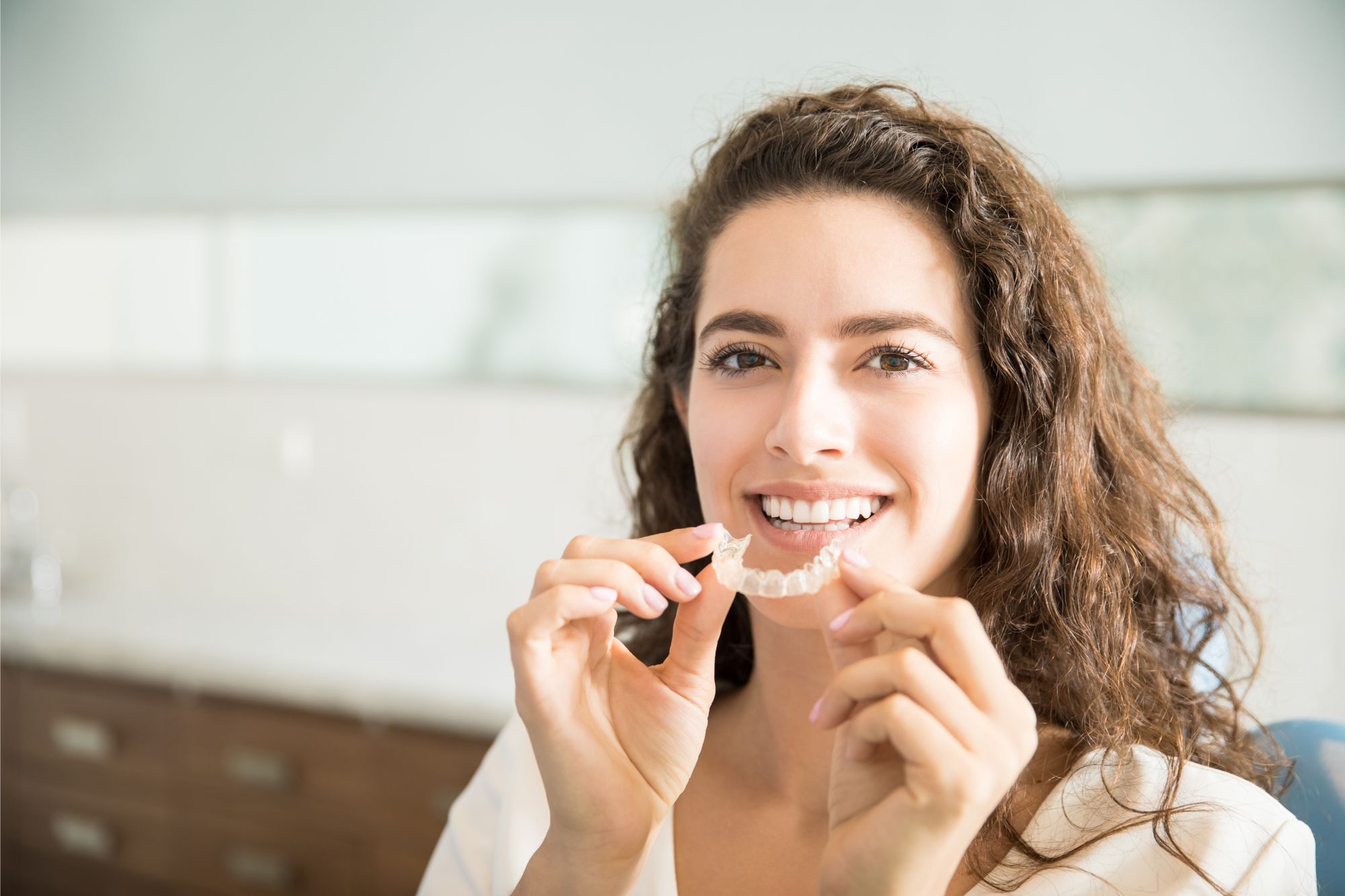
A thin, clear tray that fits over your teeth — similar in appearance to an aligner but thicker and more durable. Worn nightly (and sometimes during the day in the early months after treatment), it holds your teeth in position while bone continues to stabilize.
Bonded (Fixed) Retainer
A thin wire bonded to the tongue-facing surface of your front teeth — typically the lower four or six. It's permanently in place and requires no compliance. You don't have to think about it. It holds your front teeth in position continuously.
Combined Approach
Many patients use both: a bonded retainer for lower front teeth (where shifting is most common) alongside a removable clear retainer for the upper arch. We'll recommend the combination that gives your specific result the best long-term protection.
What to Expect
Retention over time
Full-time wear
Immediately after treatment, teeth are at the highest risk of shifting. We typically recommend wearing removable retainers full-time (22+ hours/day) during this initial stabilization period.
Transition to nighttime wear
As stability improves, most patients transition to nightly wear. This is typically where patients settle long-term — and where most retainer neglect begins. We'll be direct about what happens if you stop.
Consistent nightly wear
Teeth move throughout life. Nightly retainer wear is the most reliable way to protect your result indefinitely. This isn't a short-term commitment — it's a lifetime one, and we'll help you make it as manageable as possible.
Retainers Without Active Treatment
Lost your retainer? Teeth shifted?
We see patients regularly who finished treatment elsewhere — sometimes years ago — and now notice their teeth have shifted. In many cases, a new retainer can hold things where they are and prevent further movement. In some cases, a short course of treatment to correct the shift is a better option.
If you've lost your retainer, noticed movement, or simply need a replacement, we can help — whether or not you were ever a Smile Suite patient. Come in, let us take a look, and we'll tell you exactly where things stand.
Get in TouchQuestions?
Retention is part of the conversation from your very first visit.
We build your retention plan before treatment begins — not as a surprise at the end. Come in, ask your questions, and leave with a clear picture of the full commitment.